Best Motorized Valve Types for Efficient Automation Solutions?
In today's industrial landscape, efficient automation solutions are essential. A crucial component of these systems is the Motorized Valve. This device controls fluid flow, ensuring processes run smoothly. Choosing the right type of Motorized Valve can greatly affect system performance.
Different Motorized Valve types exist, each tailored for specific applications. For instance, ball valves offer quick operation, while butterfly valves provide space-saving benefits. Understanding the unique features of each type is vital for optimal performance. However, selecting the wrong valve can lead to inefficiencies and increased costs.
Many users overlook the importance of proper installation and maintenance for Motorized Valves. Neglecting these aspects can result in failures or unnecessary downtime. Reflecting on past mistakes can guide better decisions in future projects. Motorized Valves play a significant role in automation, and knowing their types can pave the way for improved efficiency.
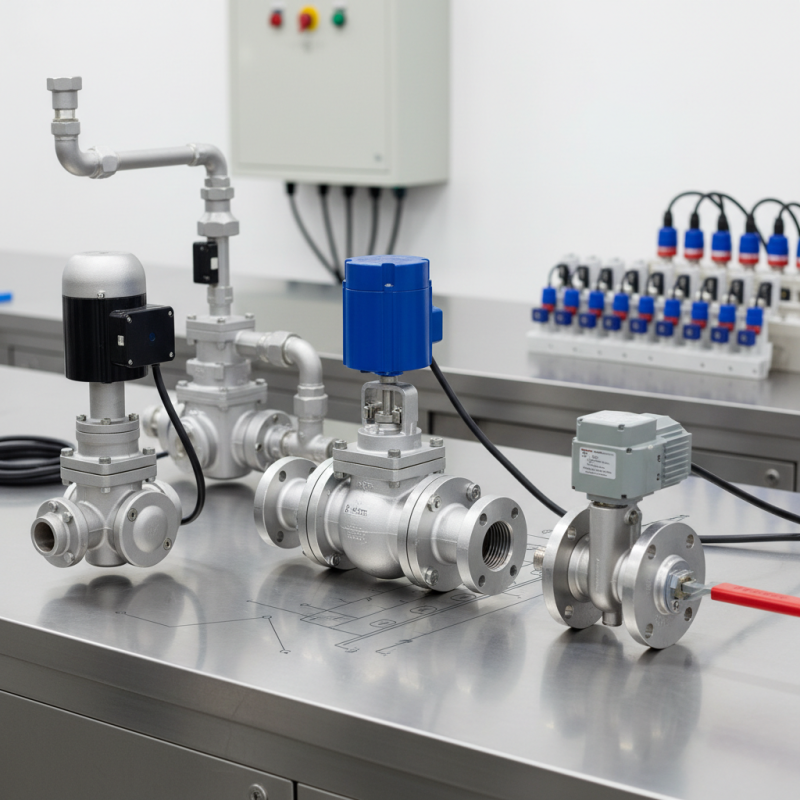
Best Motorized Valve Types for Automation: An Overview of Options
Motorized valves are essential for efficient automation in various industries. They automate the flow of fluids, making processes smoother and more reliable. There are several types of motorized valves available, each designed for specific applications. Electric actuated valves provide precise control, while pneumatic ones excel in speed.
For instance, globe valves are popular for throttling flow, while ball valves are favored for on-off control. The choice between these depends on the system's needs. Electric valves are efficient, but they may face challenges in harsh environments. Pneumatics, while faster, can be less reliable if not maintained properly. Each type has its strengths and weaknesses.
Understanding the specific application is vital. Consider factors like pressure, temperature, and fluid type. Performance can vary significantly based on these criteria. An incorrect choice could lead to inefficiencies or system failures. It’s important to reflect on each option carefully before deciding.
Key Features of Electric, Pneumatic, and Hydraulic Motorized Valves
When considering motorized valves, it's essential to understand the different types and their key features. Electric motorized valves are popular due to their precise control and easy integration into automated systems. They rely on electric current to operate, which allows for quick responses. However, their dependency on electricity can be a drawback in some installations. A sudden power loss can disrupt operations, leading to unforeseen issues.
Pneumatic motorized valves utilize compressed air for operation. They offer rapid actuation, making them suitable for high-speed applications. These valves can be very efficient, but they require a steady supply of compressed air. If air supply is inconsistent, valve performance can falter. This can lead to delays or mechanical failures, which are costly in critical processes.
Hydraulic motorized valves are designed for heavy-duty applications. They operate using hydraulic fluid, providing immense force while remaining compact. The downside? Their complexity often leads to higher maintenance requirements. Leaks in the hydraulic system can cause significant problems. Understanding these features and limitations is crucial for selecting the best motorized valve for your specific automation needs.
Comparative Efficiency: Performance Data on Motorized Valve Types
When comparing motorized valve types, efficiency is key. Recent studies highlight that electric motorized valves can offer up to a 30% reduction in energy consumption compared to pneumatic options. This substantial claim is backed by industry performance data, showing electric valves maintain better flow control and require less maintenance. In facilities where efficiency is crucial, this aspect becomes increasingly important.
However, not all motorized valves are created equal. For instance, not every model can withstand extreme pressure conditions or fluctuating temperature profiles. Selecting the wrong type can lead to failures in critical systems. In fact, reports indicate that 15% of valve failures stem from improper selection, which emphasizes the need for careful consideration in real-world applications.
Additionally, the installation process can significantly impact overall operational efficiency. Some setups demand more time and resources than others. It’s essential to analyze the compatibility of the valve type with existing systems. A misfit can lead to inefficiencies that companies cannot afford. Evaluating real-world scenarios allows for a better understanding of the trade-offs involved in choosing motorized valve types for automation solutions.
Applications and Industries: Where Motorized Valves Excel in Automation
Motorized valves play a crucial role in various automation applications across many industries. In wastewater management, for instance, these valves enhance operational efficiency. According to recent industry reports, improper valve operation can lead to 20% of a facility's energy usage. Thus, selecting the right motorized valve can significantly impact energy consumption.
In the HVAC sector, motorized valves are vital for temperature control. They regulate the flow of water and refrigerants in heating and cooling systems. Reports indicate that about 30% of HVAC systems can achieve better performance with optimized valve choices. However, users often overlook maintenance. This neglect can lead to inefficiencies and higher operational costs. Properly maintained motorized valves can improve system responsiveness by 25%.
Additionally, in the food and beverage industry, motorized valves prevent contamination and ensure process safety. Automation in this sector can reduce human error by 15%. Yet, companies often face challenges in selecting compatible valve types. An incorrect choice can result in significant delays and product loss. Investing in the right motorized valve type is essential for maintaining efficiency and safety in food processing.
Best Motorized Valve Types for Efficient Automation Solutions
This bar chart illustrates the effectiveness of various motorized valve types in automation applications. Each type's applications count indicates its popularity and versatility within different industries.
Future Trends in Motorized Valve Technology for Enhanced Automation
The future of motorized valve technology is bright, with a focus on enhancing automation. One key trend is the integration of smart features. These valves can communicate real-time data for improved decision-making. They respond quickly to changes in system dynamics. This responsiveness is crucial in industries like manufacturing and oil and gas.
Another emerging trend is energy efficiency. New designs aim to minimize energy consumption while maximizing performance. This shift promotes not just operational savings but also environmental sustainability. Additionally, companies are exploring advanced materials that enhance durability. These materials can withstand extreme conditions, leading to longer lifespans and reduced maintenance.
However, challenges remain in standardizing technologies and interfaces. Compatibility issues can hinder the adoption of new solutions. As innovations continue, there’s a need for ongoing education in the industry. Stakeholders must stay informed about advancements and best practices. This knowledge will be vital in harnessing the full potential of motorized valve automation.