Why Choose a Solenoid Valve Actuator for Your Automation Needs?
In today's rapidly evolving automation landscape, the choice of actuators plays a crucial role. Solenoid valve actuators are significant for optimizing system performance. According to a recent market report by Technavio, the global solenoid valve actuator market is anticipated to grow by 6% annually from 2023 to 2027. This growth is driven by increasing demand for automation and accuracy in various industries.
Industry expert Dr. Emily Jensen notes, “Selecting the right solenoid valve actuator can greatly enhance system reliability and efficiency.” Her insight highlights the importance of understanding how these actuators function. Solenoid valve actuators convert electrical energy into mechanical motion. They are vital in automating industrial processes, improving accuracy and minimizing human error.
However, challenges persist. Selecting the wrong actuator can lead to failures and inefficiencies. It is essential to assess application requirements carefully. Companies must weigh factors like response time, power consumption, and environmental conditions. The decision to use solenoid valve actuators shouldn't be taken lightly, as their impact can significantly influence operational success.
Overview of Solenoid Valve Actuators in Automation
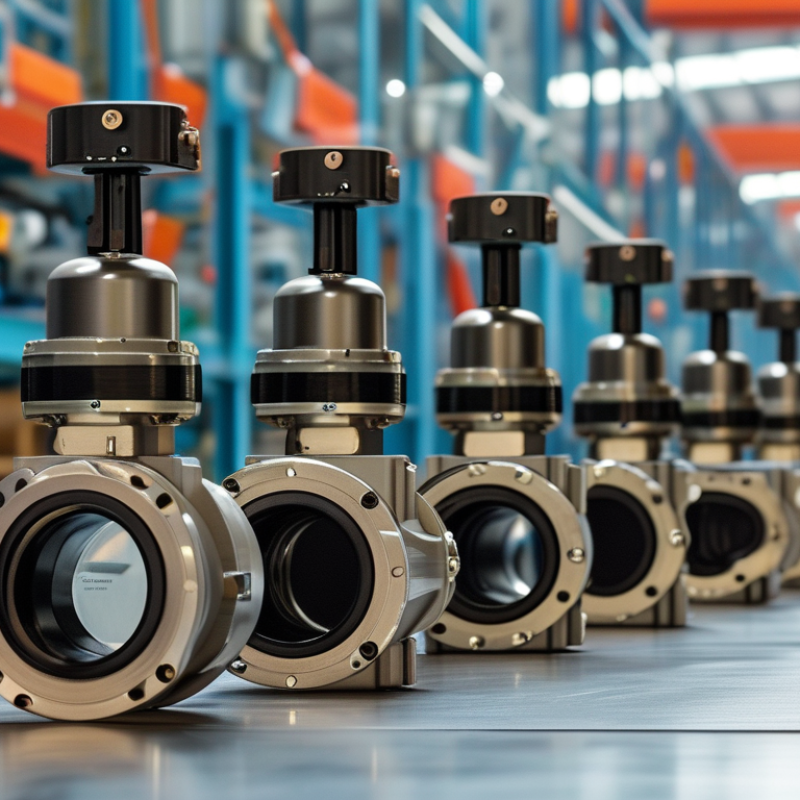
Solenoid valve actuators play a critical role in modern automation systems. These devices convert electrical energy into mechanical motion, allowing for precise control of fluid flow. They are widely used in various industries, including manufacturing, heating, and automotive. The simplicity and reliability of solenoid valves make them a popular choice for many applications.
In automation, solenoid valve actuators are essential for enhancing efficiency. They can respond quickly to electrical signals, allowing for real-time adjustments. This responsiveness is vital in processes that require immediate action. However, one must be cautious about their limitations. For instance, solenoid valves may not perform well under extreme temperatures or pressures. Understanding the environment where they will be used is crucial.
These actuators also require proper maintenance to function effectively. Regular inspections can help identify wear and tear. Neglecting maintenance can lead to failures or inefficiencies. Thus, relying solely on the technology without adequate oversight is a common pitfall. Embracing these challenges can lead to more informed decisions in automation design and implementation.
Key Benefits of Using Solenoid Valve Actuators
When considering automation solutions, solenoid valve actuators offer an array of advantages that can boost operational efficiency. These devices convert electrical energy into mechanical movement, enabling valves to be opened or closed automatically. This feature significantly improves responsiveness in various systems. Many industries rely on their reliability and speed.
Key benefits include ease of installation and maintenance. Solenoid valve actuators often require less physical space than other actuators. This permits more compact system designs. Furthermore, their simple construction makes troubleshooting easier. Users often find that fewer components lead to less complexity, which is essential in high-stakes environments.
However, it's important to acknowledge the limitations. Solenoid valves might not perform optimally in high-pressure scenarios. Users must consider the specific conditions of their system. Without careful assessment, some may face performance issues. Understanding the requirements and environment is crucial when choosing actuator types. This thoughtful approach ensures the best performance and longevity of your automation systems.
Why Choose a Solenoid Valve Actuator for Your Automation Needs? - Key Benefits of Using Solenoid Valve Actuators
| Key Benefit |
Description |
Application Areas |
Energy Efficiency |
| Quick Response Time |
Solenoid valves actuate rapidly, allowing for immediate control of fluids. |
Manufacturing, Automotive, Water Treatment |
High efficiency with low power consumption. |
| Compact Design |
Space-saving and lightweight, suitable for tight installations. |
Geothermal Systems, HVAC, Robotics |
Uses less space while providing powerful performance. |
| Durability |
Long operational life with high reliability in various conditions. |
Oil and Gas, Chemical Processing |
Designed to withstand harsh environments and frequent cycles. |
| Low Maintenance |
Minimal maintenance is required due to fewer moving parts. |
Food and Beverage Industry, Pharmaceuticals |
Reduces operational downtime and costs. |
| Versatile Applications |
Can be used in various media including gases and liquids. |
Aerospace, HVAC, Irrigation |
Adaptable to many systems, enhancing functionality. |
Applications of Solenoid Valve Actuators in Various Industries
Solenoid valve actuators play a crucial role across various industries. In chemical processing, they ensure precise control over fluid flow. These devices respond quickly to electrical signals, enabling automation and enhancing safety. With increasing automation demands, industries require reliable components. Solenoid valves can meet these needs efficiently.
In water treatment facilities, solenoid valves regulate water distribution. Their ability to open and close rapidly helps maintain optimal pressure levels. Additionally, HVAC systems utilize solenoid valves for effective temperature regulation. These applications showcase the versatility of solenoid valve actuators.
Despite their advantages, challenges exist. Environmental factors can affect their performance. Regular maintenance is essential to ensure reliability. Industries should also consider compatibility with existing systems when selecting components. Recognizing these potential issues early can improve long-term efficiency.
Factors to Consider When Choosing a Solenoid Valve Actuator
When choosing a solenoid valve actuator, several key factors deserve your attention. The actuator's size and compatibility with your existing system are crucial. Measure the available space accurately. Ensure that the actuator can fit within the designated area. Overlooking this can lead to installation headaches.
Another important aspect is the voltage and power requirements. Most solenoid valves operate on specific voltage levels. If your system supplies inconsistent voltage, the actuator may malfunction. Testing the electrical specifications beforehand can prevent future problems. Additionally, consider the environment in which the actuator will be used. Extreme temperatures or humidity levels can impact performance. Selecting a model designed for harsh conditions increases reliability.
Lastly, think about the response time and switching frequency. Some applications require rapid actuation, while others can operate slower. Even minor delays in actuation can lead to inefficiencies. Be aware that failing to choose the right actuator for your needs could result in costly downtime. Strive for a thorough evaluation process to ensure the best fit for your automation requirements.
Maintenance and Troubleshooting Tips for Solenoid Valve Actuators
Maintenance of solenoid valve actuators is crucial for smooth operation.
Regularly check the connections and wiring for any signs of wear. Loose wiring can cause intermittent issues that are hard to diagnose.
A good practice is to clean the actuator periodically. Dust and debris can hinder performance. Inspect the seals and gaskets, as they can wear out over time.
Troubleshooting common problems can save time and money. If the actuator does not respond, ensure the power supply is stable. Measure the voltage to confirm that it meets the actuator's requirements.
Check for corrosion or damage on connection points. Sometimes, a simple reset of the system can restore function.
Understand that even the best equipment can fail. Components can wear out, leading to malfunction.
Develop a habit of keeping a detailed maintenance log. Documenting repairs and adjustments helps identify patterns.
Recognizing potential failures early can prevent costly downtime.