How to Choose Solar Branch Connectors at the 2026 Canton Fair?
As the 2026 Canton Fair approaches, selecting the right Solar Branch Connector becomes crucial for solar energy professionals. This significant event, scheduled in April and May, focuses on advanced manufacturing and new materials, including vital components for solar technology. Attendees have a unique opportunity to explore an extensive range of products in a compact timeframe.
Navigating the vast exhibition space of 1.55 million square meters might feel overwhelming. The introduction of AI-powered search tools offers personalized supplier suggestions based on certifications like ISO and CE. This can streamline the process of finding reputable manufacturers of Solar Branch Connectors. However, as buyers, it's essential to ensure that the selected connectors meet project specifications effectively.
Each detail in connector selection counts. An inadequate choice can lead to inefficiencies in solar systems, affecting overall performance. Connecting with suppliers at the Canton Fair allows for real-time inquiries and discussions about product quality. This face-to-face interaction is invaluable, yet it also requires careful consideration to avoid potential pitfalls. The fair presents a platform for learning as much as purchasing.
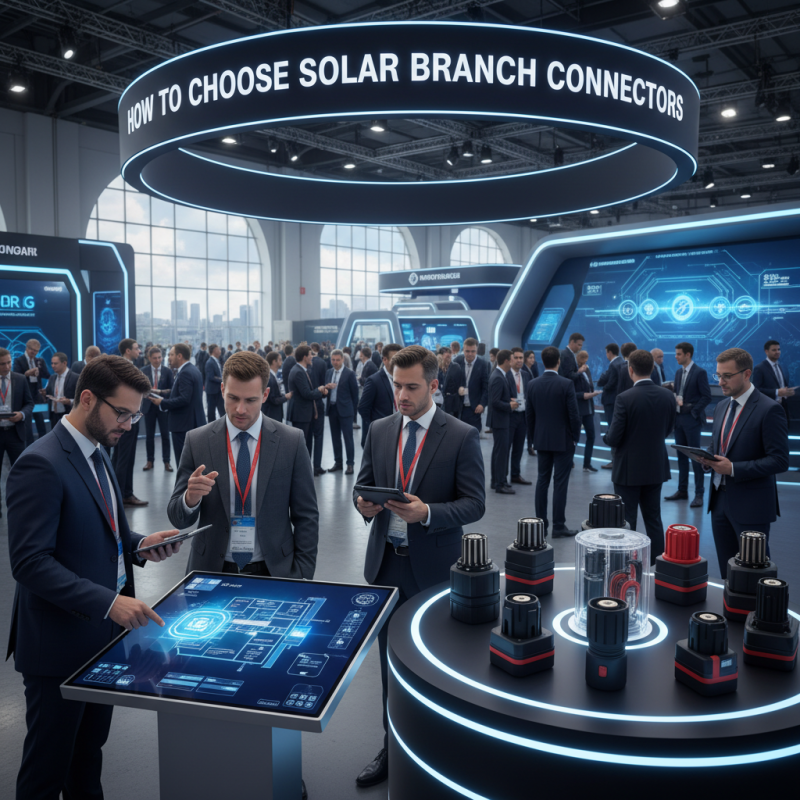
Understanding Solar Branch Connectors and Their Importance
Solar branch connectors play a crucial role in photovoltaic systems. These connectors link multiple solar panels, ensuring efficient energy distribution. Without reliable connectors, energy loss can occur. This is a significant concern for homeowners and professionals alike.
When selecting connectors, consider the wire gauge and compatibility. Incorrect gauge choices could lead to overheating. Look for connectors that are easy to attach and detach. This can save time during installation or maintenance. A common mistake is overlooking weather resistance. Connectors that can withstand harsh conditions will ensure longevity.
Pay attention to the ratings. Voltage and current ratings must match your solar system's needs. A mismatch may lead to failures. It’s essential to conduct thorough research and comparisons. The right connector choice can be the difference between a successful solar setup and constant repairs.
How to Choose Solar Branch Connectors at the 2026 Canton Fair?
| Dimension | Value | Notes |
| Connector Type | MC4, T4, PV-COMBT | Most common types used in solar applications |
| Current Rating | 30A - 40A | Ensure connector can handle maximum current |
| Voltage Rating | 1000V - 1500V | Align with solar panel specifications |
| Material | PVC, TPE, Copper | Choose durable and weather-resistant materials |
| Temperature Range | -40°C to 90°C | Check for suitability in local climate |
| IP Rating | IP67 | Waterproof and dustproof certification |
Identifying Key Features of Quality Solar Branch Connectors
When attending the 2026 Canton Fair, pay attention to solar branch connectors. These components are crucial for efficient solar installations. Choose connectors that exhibit durability and strength. Look for materials that resist corrosion and extremes in temperature.
A reliable connector has a solid locking mechanism. This ensures a secure connection under various conditions. Check the waterproof ratings. A good connector should prevent moisture infiltration. This is vital for long-term performance.
Be wary of connectors that appear too inexpensive. They might compromise performance and safety. Test physical feel; lightweight can sometimes mean low quality. Examine the connectors closely for any visible flaws. Trust your instincts; if something feels off, it probably is.
Evaluating Compatibility with Solar Panel Systems
When visiting the 2026 Canton Fair, evaluating compatibility with solar panel systems is crucial. Choosing the right solar branch connectors ensures efficiency and safety. Look closely at connector types and specifications. Different panels may require unique connectors. Some connect easily, while others can be more challenging.
Consider the current and voltage ratings of your solar panels. This helps determine the suitable connectors. Be mindful of mismatches; they can lead to power loss or even equipment damage. It is essential to note that not all connectors are created equal. Some may appear similar but have subtle differences.
Interacting with different manufacturers can provide insight. Ask about their products and quality control processes. Many exhibitors may not highlight compatibility clearly. Pay attention to reviews or feedback from other users. This helps avoid mistakes that can affect performance and longevity. Reflecting on these details can guide you towards better decisions.
Assessing Environmental Factors and Durability Requirements
When selecting solar branch connectors at the 2026 Canton Fair, assessing environmental factors is crucial. Connectors must withstand various weather conditions. According to industry reports, UV exposure can decrease lifespan by nearly 30%. Connectors made from high-quality materials resist these effects. Look for impact-resistant options. They ensure durability against harsh environments.
Durability requirements also depend on installation locations. Coastal regions face high humidity and salt exposure. Reports suggest that connectors used in these areas need corrosion resistance. Conduct a thorough material analysis. Connectors that pass stringent tests showcase their resilience. A common mistake is prioritizing cost over quality, risking performance in harsh conditions.
Heat is another significant factor. Connectors should operate efficiently in high temperatures. Industry standards recommend operating temperatures up to 85°C. Beyond this, reliability diminishes rapidly. Testing for thermal stability is essential. Evaluate connectors not just for current specs but also for long-term performance. Balancing immediate needs with future conditions is challenging but necessary for a successful solar installation.
Navigating Supplier Options and Making Informed Purchases
Choosing the right solar branch connectors at the 2026 Canton Fair can be overwhelming. With numerous suppliers showcasing their products, making informed purchases is crucial. Reports indicate that the solar connector market is projected to grow by nearly 25% annually. This means many invest in quality over quantity.
When evaluating suppliers, consider certification and product quality. Look for connectors that meet global safety standards. The International Electrotechnical Commission (IEC) has set guidelines that are essential. Products failing to meet these standards can lead to safety hazards and reduced system efficiency.
Also, consider the material used in connectors. Copper is preferred for its conductivity. However, some cheaper alternatives may lead to higher long-term costs due to lower efficiency. Check for data sheets and warranty details. Often, suppliers provide minimal information. This makes comparison difficult. If not clarified, it could lead to poor performance. Be cautious and ask questions. Don't accept vague answers; they can hide potential issues.