How to Choose the Right Solenoid Valves for Your Needs?
Choosing the right solenoid valves can be a daunting task. Industry expert John Smith once stated, "Selecting solenoid valves is not just about specifications; it's about understanding the application." His words resonate deeply in today's market. Solenoid valves control fluid flow, making them vital in various systems. The right choice ensures efficiency and longevity.
Consider the specific requirements of your system. Pressure ratings, fluid types, and environmental conditions all play crucial roles. Some applications may require valves that can withstand extreme temperatures. Others might need rapid on-off capabilities. Understanding these details helps narrow down options.
It's essential to note that even seasoned professionals can struggle with this process. Mistakes can happen. Perhaps a valve with the wrong voltage is chosen. Or the material isn't compatible with the fluid. Recognizing these potential pitfalls is the first step to finding the best solenoid valves for your needs.
Understanding Solenoid Valves: Basics and Functionality
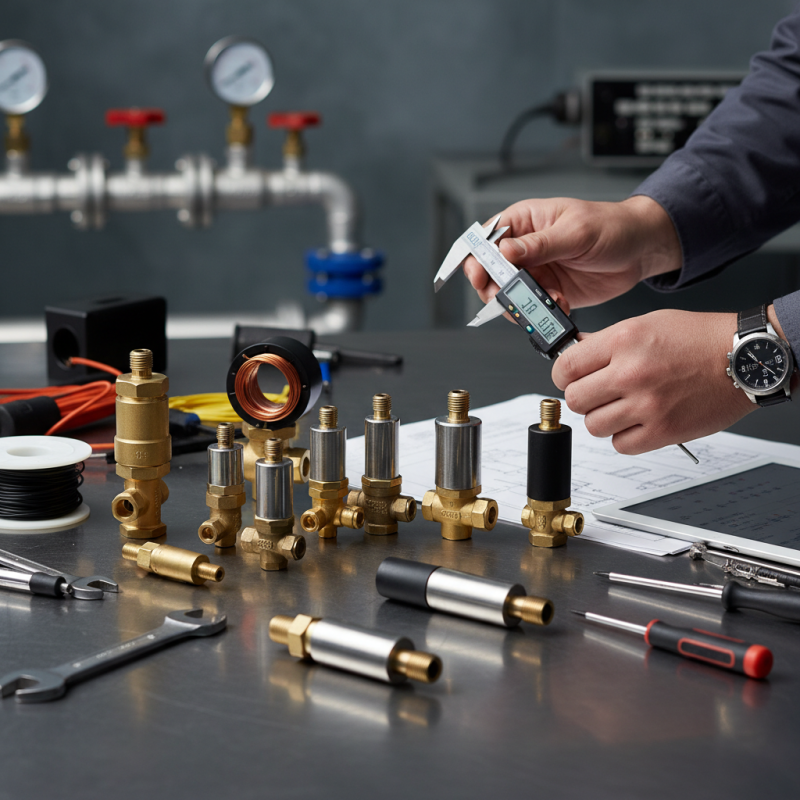
Solenoid valves play a vital role in various applications. They control fluid flow using an electromechanical mechanism. Typically, these valves consist of a coil, a plunger, and a body. When electricity flows through the coil, it creates a magnetic field. This field moves the plunger, which opens or closes the valve. Understanding this basic functionality is crucial when selecting the right valve.
Different configurations are available for solenoid valves. Some operate normally closed, while others are normally open. It's essential to know the specific needs of your system. You may encounter challenges like compatibility and pressure ratings. Take the time to research and understand these specs. Misjudgments here can lead to leaks or system failures.
Consider the material of the valve. Some are made for water, while others suit gas applications. This choice greatly affects performance. You might face questions about the environment, like temperature and corrosiveness. It's easy to overlook these factors, yet doing so could compromise your project. Balancing these details requires attention and possibly reevaluation.
Key Factors to Consider When Selecting Solenoid Valves
Choosing the right solenoid valve can seem overwhelming. Many factors impact your decision. Understanding these factors is crucial for your application.
Consider the valve's operating pressure. What range does your system require? Check both minimum and maximum specifications. It's important to ensure the valve can handle your system's demands. Don't overlook flow rates, either. Look for the valve’s Cv value. This rating indicates how well the valve will perform.
**Tip:** Always double-check compatibility with your existing system. Mismatched specifications can lead to inefficiencies or failures.
Temperature ratings are another key factor. Valves are often rated for specific temperature ranges. Think about the environment in which the valve will operate. Constant exposure to extreme temperatures can affect performance.
**Tip:** Think about installation space. Some valves require specific orientations or mounting positions. This could limit your choices.
Lastly, consider the valve's size. An oversized valve might not fit your application. Conversely, a small valve could lead to pressure drops. Measure carefully to ensure a proper fit. This simple step can save time and money in the long run.
How to Choose the Right Solenoid Valves for Your Needs? - Key Factors to Consider When Selecting Solenoid Valves
| Parameter |
Description |
Considerations |
| Fluid Type |
Type of fluid the valve will control (e.g., air, water, oil). |
Ensure compatibility with the material of the valve. |
| Pressure Rating |
Maximum pressure the valve can handle. |
Select a valve rated higher than the system pressure. |
| Voltage |
Electrical voltage required to operate the valve. |
Choose a voltage that matches your system’s power supply. |
| Temperature Range |
Operating temperature range of the valve. |
Ensure the valve withstands the maximum temperature of the fluid. |
| Connection Type |
How the valve connects to the piping (e.g., threaded, flanged). |
Select a connection that fits your existing piping system. |
| Response Time |
Time taken for the valve to open or close. |
Consider the application's need for speed. |
| Size |
Nominal diameter of the valve. |
Ensure it matches the flow rate requirements. |
Common Applications for Solenoid Valves Across Industries
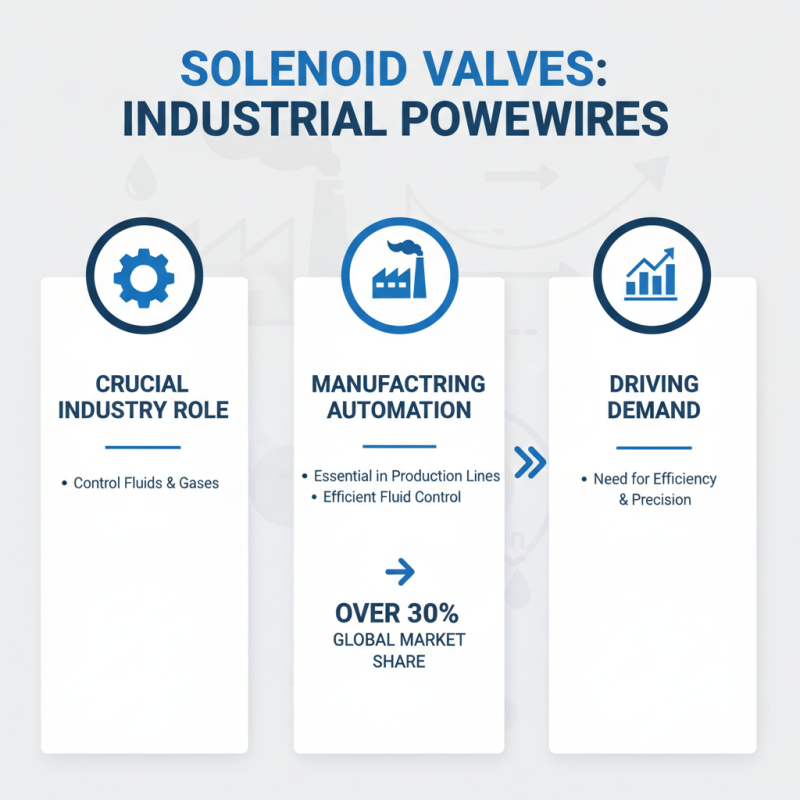
Solenoid valves play crucial roles across various industries. They are used to control fluids and gases in many systems. In manufacturing, for example, solenoid valves are essential in automation processes. According to a recent industry report, over 30% of the global solenoid valve market is driven by the manufacturing sector. This demand stems from the need for efficient fluid control in production lines.
In agriculture, solenoid valves are utilized in irrigation systems. These valves help manage water flow, ensuring crops receive adequate hydration. The agricultural sector accounted for approximately 15% of the solenoid valve market in 2022. Efficient irrigation using solenoid valves can improve crop yields significantly. However, many farmers overlook periodic maintenance, leading to decreased efficiency over time.
In HVAC systems, solenoid valves function in temperature regulation. They control refrigerant flow, enhancing energy efficiency. Reports suggest that integrating solenoid valves into HVAC systems can reduce energy consumption by up to 20%. However, the initial installation costs may deter some businesses. Balancing upfront expenses with long-term savings is vital for optimal system performance.
Types of Solenoid Valves and Their Specific Use Cases
When selecting solenoid valves, understanding their types and specific applications is crucial. There are generally two types: direct-acting and pilot-operated valves. Direct-acting valves can handle smaller flows, making them ideal for compact systems. They are responsive and require less space. However, their limited capacity may not suit larger applications.
Pilot-operated valves function differently. They use system pressure to operate. This type is suitable for larger flows and higher pressures. They can be more efficient in bigger systems. Consider the context of usage when choosing between these types.
Tips: Evaluate your system's pressure and flow requirements. Direct-acting valves are great for tight spaces, but consider pilot-operated options for more demanding applications. Don't overlook environmental factors. Some valves could be less effective in extreme temperatures.
Imagine a scenario where you need a valve for a water system. A direct-acting valve might work. However, if pressure fluctuations occur, you may need to rethink that choice. Always match the valve characteristics with your system’s specific needs for optimal performance.
Types of Solenoid Valves and Their Specific Use Cases
Maintenance Tips for Ensuring Longevity of Solenoid Valves
Maintaining solenoid valves is crucial for their longevity. Regular maintenance can prevent unexpected failures. Reports indicate that routine inspections can extend the life of these valves by up to 30%. Over time, dirt and debris can build up, causing valves to malfunction. It’s essential to keep them clean.
One effective tip is to schedule regular cleaning. Use a soft cloth to wipe down the exterior. Checking the electrical connections also matters. Loose connections can lead to unnecessary wear. An annual performance check can identify potential issues early.
Another tip focuses on the environment. Solenoid valves are sensitive to extremes in temperature. Keep them away from direct heat sources. Monitor the surrounding environment to ensure it stays within operational limits. Keeping records of maintenance can highlight patterns that may need addressing. Disregarding these factors might lead to costly downtimes. Remember, a proactive approach is often more effective than a reactive one.