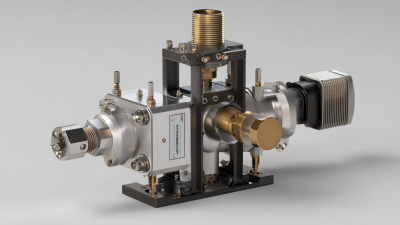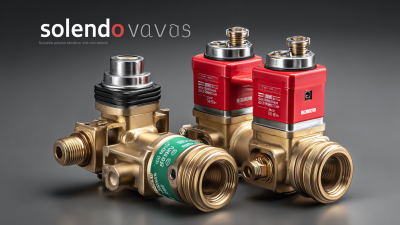

Pneumatic valves control compressed air inside an automation system. They direct, stop, or release air moving toward an actuator. The actuator may extend a cylinder, rotate a tool, or operate a clamp. The valve does not create motion. It manages air pressure and flow with careful timing.
Inside the valve, a spool or poppet shifts between passages. An electrical solenoid, mechanical lever, or pilot signal can move it. When the inlet connects with the outlet, air reaches the actuator. When the exhaust port opens, trapped air leaves quickly. A three-way valve commonly controls a single-acting cylinder. A five-way valve usually serves a double-acting cylinder.
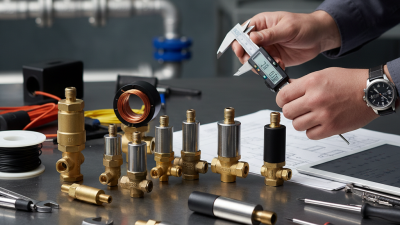
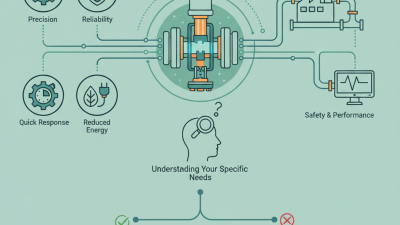
Choosing the correct pneumatic valve requires more than matching pipe size. Check operating pressure, flow capacity, response time, port configuration, and air quality. The valve must also match the actuator and control signal. A small valve may restrict motion and create weak force. An oversized valve can waste air and increase cost. That assumption is often wrong.
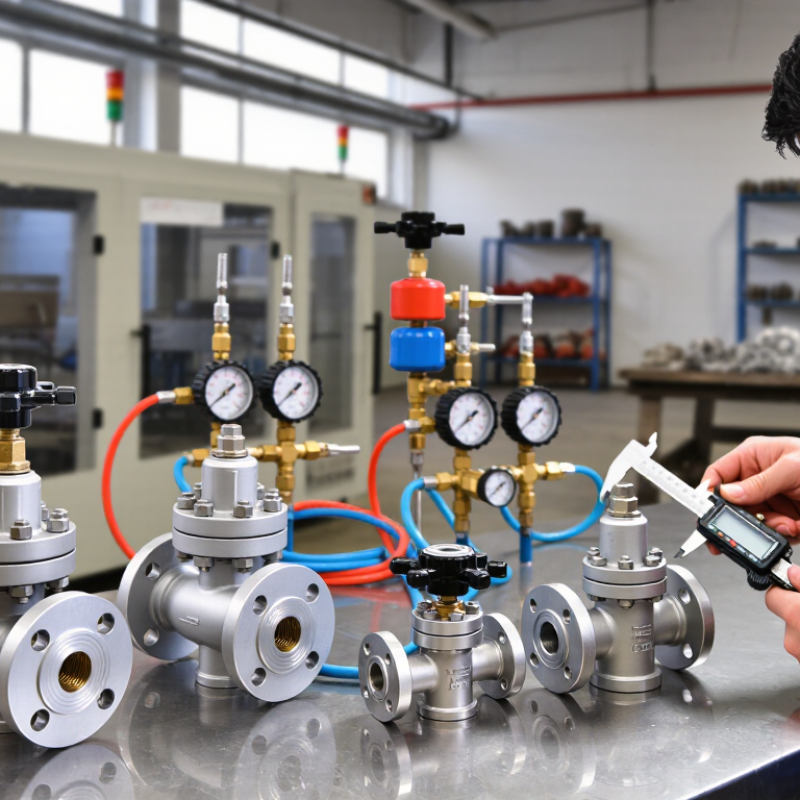
In practical maintenance work, contaminated air causes many failures. Water can corrode internal parts, while oil or dust may make the spool stick. Install suitable filtration and inspect tubing for leaks. Use the circuit symbol to verify each connection before applying pressure. I have found that a simple diagram prevents expensive troubleshooting. Still, real systems can behave differently under changing loads. Test the valve at normal pressure, not only on a workbench.