

What Are Rack Accessories and How to Choose Them?

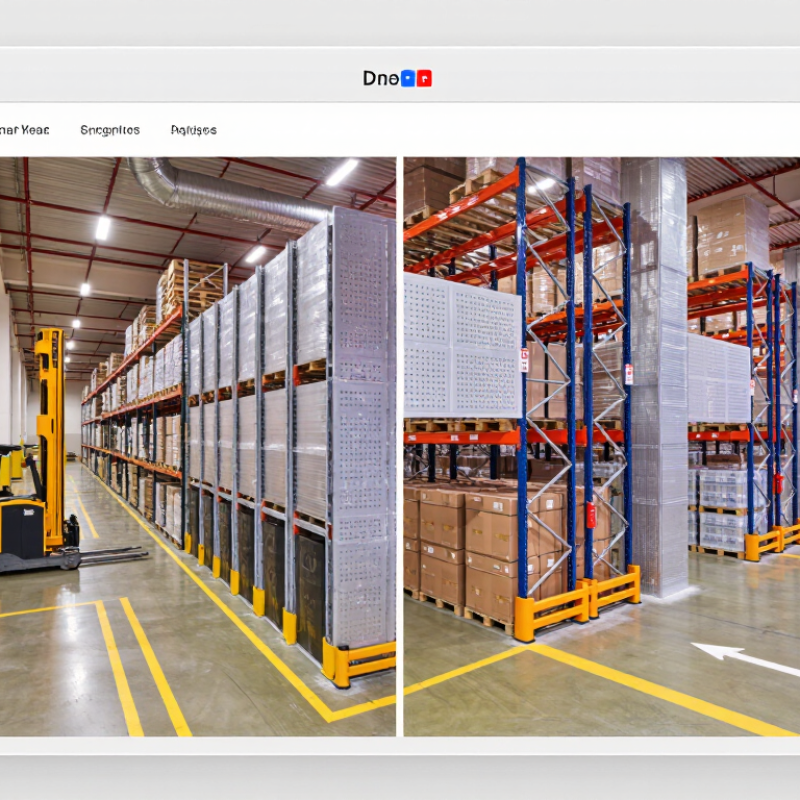
Choosing the right Rack Accessories can change a storage system from merely functional to genuinely efficient. Beam protectors, wire decking, pallet supports, row spacers, safety panels, and rack labels each solve different operational problems. A busy warehouse makes these differences visible. Forklifts turn sharply. Pallets vary in size. Dust collects on overlooked surfaces.

Dr. James A. Tompkins, a respected warehouse design authority, stated, “The warehouse is not just a building; it is a system.” That principle applies directly to Rack Accessories. Each component should support the rack, the product, the workers, and the movement pattern around them. A safety guard may reduce impact damage, while wire decking can improve pallet stability and visibility. However, adding every available accessory is not intelligent design. It can create unnecessary costs, restricted access, or compatibility problems.

Good selection begins with evidence from the site. Measure upright dimensions, beam profiles, pallet footprints, load weights, aisle widths, and environmental conditions. Check manufacturer specifications, installation requirements, and relevant safety guidance. A corrosion-resistant finish may suit a humid facility better than standard painted steel. Adjustable dividers may help small cartons, but they can slow picking when poorly positioned.

There is no universal accessory package. That is the uncomfortable part. A solution that works in one warehouse may fail in another. This guide examines what Rack Accessories do, how they interact with pallet racking, and which questions should shape a safer, more practical choice. Share your actual workflow with a qualified supplier or engineer. Small details matter.
What Are Rack Accessories and How to Choose Them?

What Are Rack Accessories?

Rack accessories are the supporting parts that make a rack safer, more useful, and easier to manage. They can include shelves, dividers, bins, labels, back panels, side panels, locking doors, cable managers, mounting rails, and safety barriers. The right accessory depends on the rack’s purpose, load, dimensions, and working environment.

Fit comes first. Measure the rack’s width, depth, mounting points, and usable height before purchasing anything. A shelf may look suitable but fail if its brackets do not align with the frame. Check the weight rating, material, surface finish, and installation method. Steel accessories often suit heavy storage, while lighter plastic bins work well for small components. In humid areas, corrosion-resistant materials deserve attention.

Think about daily use. A warehouse rack may need labels, dividers, and protective guards. A technical rack may need cable trays, ventilation panels, and adjustable rails. Keep frequently handled items between waist and shoulder height. Leave enough clearance for doors, tools, and safe movement. That small detail matters.

I once focused too much on capacity and ignored access space. The rack held everything, yet reaching the rear items became frustrating. This is an easy mistake. Review the layout after installation, and change accessories when real work exposes weaknesses. Avoid forcing incompatible parts, even when the price seems attractive. Reliable accessories should fit securely, support the intended load, and remain practical over time.

Key Types of Rack Accessories and Their Functions

What Are Rack Accessories and How to Choose Them?

Rack accessories turn a basic storage rack into a safer, more practical system. Each component solves a specific operational problem. Shelf decking supports cartons and prevents small items from falling between beams. Wire mesh panels improve visibility and help contain loose packages. Back guards reduce the risk of products sliding into walkways. Upright protectors absorb minor impacts from handling equipment, although they cannot replace careful driving.

Dividers separate products by size, batch, or order status. They work well for bins, cartons, and long items. Label holders make locations easier to identify during picking and stock checks. Safety barriers protect rack ends, columns, and pedestrian routes. Choose accessories according to load weight, rack dimensions, item shape, and handling activity. Measure the clear width and depth before ordering. A few millimeters can affect fit.

Material matters too. Coated steel suits general warehouse use, while corrosion-resistant materials perform better in damp areas. Check rated capacities, fixing methods, and compatibility with the existing frame. Do not rely only on appearance. A strong-looking shelf may still fail under uneven loading. Review installation instructions and inspect fasteners regularly. No choice is perfect. Conditions change, and accessory placement may need adjustment after real use. A trial section can reveal blocked aisles, awkward labels, or unsupported cartons before a full installation.

How Rack Accessories Improve Storage and Organization

Rack accessories turn basic storage frames into organized, usable workstations. Shelves hold cartons, dividers separate small parts, and bins keep frequently used items within reach. Label holders reduce searching time during busy shifts. Hooks can store tools, cables, or protective equipment without covering valuable shelf space.

Good selection begins with the stored items. Measure their weight, width, height, and handling frequency. Choose shelves with suitable load ratings, then check that every accessory fits the rack’s beam size. Safety matters too. Secure loose components and avoid placing heavy goods above shoulder height. In practice, I have seen teams buy attractive bins that were too shallow for their products. That mistake created clutter instead of improving access.

Tips: Group accessories by task, not only by size. Use clear labels with large, readable text. Keep daily-use items near the front. Leave small gaps between containers for easy removal. Review the layout after one week. Some arrangements look efficient on paper but slow workers down during real use. Adjustable dividers may also need occasional repositioning as inventory changes.

What Are Rack Accessories and How to Choose Them? — How Rack Accessories Improve Storage and Organization

Rack Accessory Primary Function Typical Specification or Capacity Storage and Organization Benefit Best-Suited Items Key Selection Criteria
Wire Decking Creates a stable, ventilated surface across rack beams. Common widths: 42–48 in
Common depths: 42–48 in
Capacity: often 2,000–5,000 lb per level, depending on the product and support span
Prevents loose cartons from falling through beams and improves visibility, air circulation, and light penetration. Cartons, totes, boxed inventory, and palletized goods Beam lengthFrame depthUniform loadFire-sprinkler clearance
Pallet Supports Supports pallets between front and rear beams when additional stability is needed. Typical profile: steel channel or bar
Common use: two or more supports per pallet position, based on pallet design and load
Reduces pallet deflection and helps keep damaged or non-standard pallets from slipping between beams. Wooden pallets, plastic pallets, and irregular pallet loads Pallet typeBeam spacingSupport countLoad distribution
Backstop Beams Limits the rearward movement of pallets and protects the rack or wall behind the load. Placement: installed behind pallet positions
Design: must be sized and positioned to avoid contact with pallet loads
Maintains consistent pallet placement and reduces the risk of loads being pushed too far into the rack. Deep loads, high-turnover pallet storage, and racks near walls Load depthClearanceRack configurationImpact protection
Row Spacers Maintains a controlled gap between back-to-back rack rows. Spacing: determined by building layout, seismic requirements, and equipment clearance Keeps rack rows aligned, protects stored goods, and helps preserve access for inspection and maintenance. Back-to-back pallet racks in high-density layouts Aisle planBuilding movementRack heightLocal code
Column Protectors Absorbs or deflects impact from forklifts and other material-handling equipment. Common heights: 12–48 in
Types: steel, polymer, bolt-on, or floor-mounted designs
Reduces damage to upright frames and helps maintain rack stability in busy operating areas. Rack uprights near aisles, doors, and vehicle routes Impact levelClearanceMounting methodVisibility
Safety Back Mesh Acts as a barrier to help prevent items from falling from the rear of a rack. Common panel heights: 3–8 ft
Mesh opening: selected according to the size of stored items and risk assessment
Improves worker protection and keeps loose cartons or components contained within the rack footprint. Small cartons, containers, and storage areas beside walkways Item sizeFall riskRack heightAccess requirements
Carton Flow Decks Uses rollers or wheels to move cartons from the replenishment side toward the picking side. Typical load: about 50–250 lb per carton lane, depending on the deck design
Stock rotation: supports FIFO workflows
Separates replenishment from picking and reduces walking, reaching, and manual searching. Cartons, totes, cases, and date-sensitive inventory Carton weightCarton baseLane depthFIFO need
Pallet Flow Rails Uses gravity rollers to move pallets through a lane from loading to unloading. Lane depth: commonly several pallet positions
Operating principle: FIFO flow with controlled speed
Improves stock rotation, reduces forklift travel inside the lane, and increases accessible pallet density. Perishable goods, batch-controlled inventory, and high-volume operations Pallet qualityLane depthLoad weightBrake rollers
Shelf Panels Creates adjustable storage levels for hand-loaded products. Common shelf depth: 12–24 in
Capacity: often 200–1,000 lb per level, depending on panel type and span
Divides vertical space into organized picking locations and reduces floor-level clutter. Small parts, cartons, tools, files, and maintenance supplies Item weightShelf spanAdjustabilityPicking frequency
Dividers and Bins Separates different stock-keeping units within a shelf or drawer. Typical bin sizes: selected from small parts to full carton dimensions
Label area: front-facing identification space
Improves item visibility, reduces mixing of similar parts, and speeds up counting and replenishment. Fasteners, components, spare parts, and small packaged items SKU quantityItem dimensionsLabel positionPicking method
Label Holders Displays location codes, product identifiers, barcodes, or load limits. Formats: magnetic, adhesive, clip-on, or slide-in
Information: location, SKU, quantity, or safety details
Creates consistent visual identification and reduces search time and put-away errors. Every rack level, bin, shelf, and pallet position Label sizeScan distanceSurface typeReplacement frequency
Wire Partitions Divides open rack or shelf areas into separate compartments. Height: selected to match stored-item dimensions
Installation: commonly clip-on or bolt-on
Prevents products from shifting or becoming mixed and makes each storage location easier to audit. Loose parts, packaged components, rolls, and maintenance materials Compartment widthItem stabilityAdjustabilityAccess
Aisle and End-of-Rack Guards Protects rack ends and pedestrian-facing areas from vehicle impact. Common construction: steel guardrail, post, or barrier system
Placement: rack corners, ends, and traffic approaches
Improves traffic separation and helps prevent repeated impact damage at high-risk points. Facilities using forklifts, pallet trucks, or powered stackers Traffic patternImpact energyBarrier heightEmergency access

Capacity and dimensions are typical planning ranges rather than universal ratings. Always verify the rack manufacturer’s load data, accessory compatibility, installation requirements, and applicable safety regulations before use.

How to Choose Rack Accessories for Your Needs

Choosing rack accessories starts with the equipment, not the appearance of the rack. Measure the cabinet depth, mounting width, available height, and total load before buying anything. A shelf that fits may still block airflow or fail under heavy equipment. Measure twice. Fit matters.

For servers and network devices, choose accessories that support safe operation. Sliding rails improve access during maintenance, while fixed shelves suit equipment without mounting brackets. Cable managers should guide cables gently, without sharp bends or tight pressure. Vertical organizers can reduce clutter near power connections. Check the accessory’s weight rating and mounting method against the rack’s specifications. In busy rooms, perforated shelves and vented panels can help preserve airflow. Casters are useful for temporary movement, but leveling feet provide better stability during service.

The working environment also affects the choice. A dusty workshop may need covered cable routes, while a compact office may benefit from quieter fans and shorter power cables. Leave room for future devices instead of filling every space today. Technicians should inspect screws, rails, and grounding points during installation. Small faults grow quickly. I have seen poor cable planning turn a simple replacement into an awkward, time-consuming task. Compatibility charts are helpful, but they are not perfect; confirm measurements directly when equipment has unusual handles, doors, or power layouts. Safety requirements and local installation rules should guide final decisions.

How to Choose Rack Accessories for Your Needs

Rack accessories are commonly selected by their rack-unit footprint. One rack unit (1U) equals 44.45 mm (1.75 in) of vertical space, while standard equipment racks use a 19-inch (482.6 mm) mounting width. Check cabinet depth, weight capacity, airflow, and compatibility before installation.

Installation, Maintenance, and Safety Considerations

Rack accessories improve storage performance, but installation errors can create new hazards. Common options include wire decking, column protectors, row spacers, safety netting, and load plaques. Each accessory must match the rack design, beam capacity, pallet size, and operating environment. Never assume a universal fit.

OSHA estimates that powered industrial trucks cause about 85 fatal accidents and 34,900 serious injuries annually. This figure explains why protection and visibility matter. Install column guards without blocking inspection points or reducing aisle width. Anchor frames to a suitable floor, then verify plumb alignment. Load plaques should show beam levels, maximum bay capacity, and pallet limits. The Rack Manufacturers Institute recommends regular inspections by trained personnel, especially after impacts, relocation, or layout changes. A damaged upright may look minor. It may not be.

Tips: Photograph every rack row after installation. Check anchors, welds, decking, locks, and guard clearance monthly. Remove damaged components from service immediately. Use a written inspection log, not memory. OSHA guidance also supports separating pedestrians from forklift traffic where practical. In real facilities, this separation is sometimes incomplete, so warning signs and speed controls still matter. Maintenance teams should review accessories after temperature changes, corrosion, or repeated pallet contact. A careful installer can still miss hidden floor damage; independent verification is worth the extra step.