Why Choose a Pneumatic Solenoid Valve for Your Industrial Application?
In the realm of industrial automation, selecting the right components is crucial for efficiency and reliability. The Pneumatic Solenoid Valve stands out among other options. Its design integrates well with pneumatic systems, making it a popular choice. This valve control ensures quick actuation and precise fluid management.
Pneumatic Solenoid Valves offer several advantages. Their ability to respond rapidly is vital for high-speed operations. Additionally, they require minimal energy to function, enhancing overall sustainability. However, it’s essential to understand their limitations. Poor installation can lead to inefficiencies and unexpected failures.
Industries often recognize the importance of professional guidance when choosing these valves. Each application demands specific valve functionalities. Therefore, a thorough assessment of operational needs is essential. Using a Pneumatic Solenoid Valve can significantly boost productivity, but careful consideration is key.
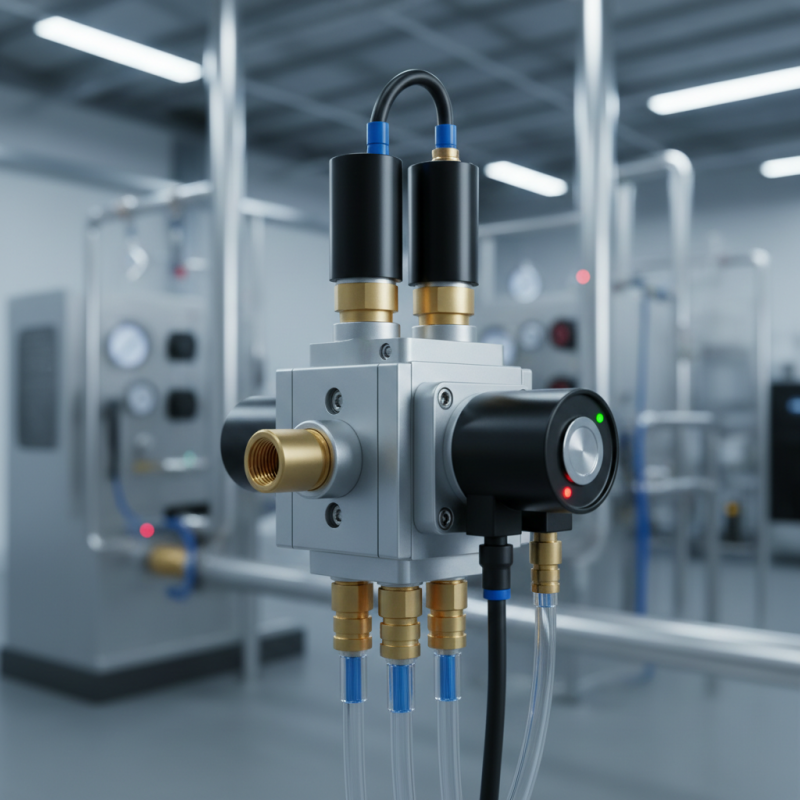
Understanding Pneumatic Solenoid Valves and Their Functionality
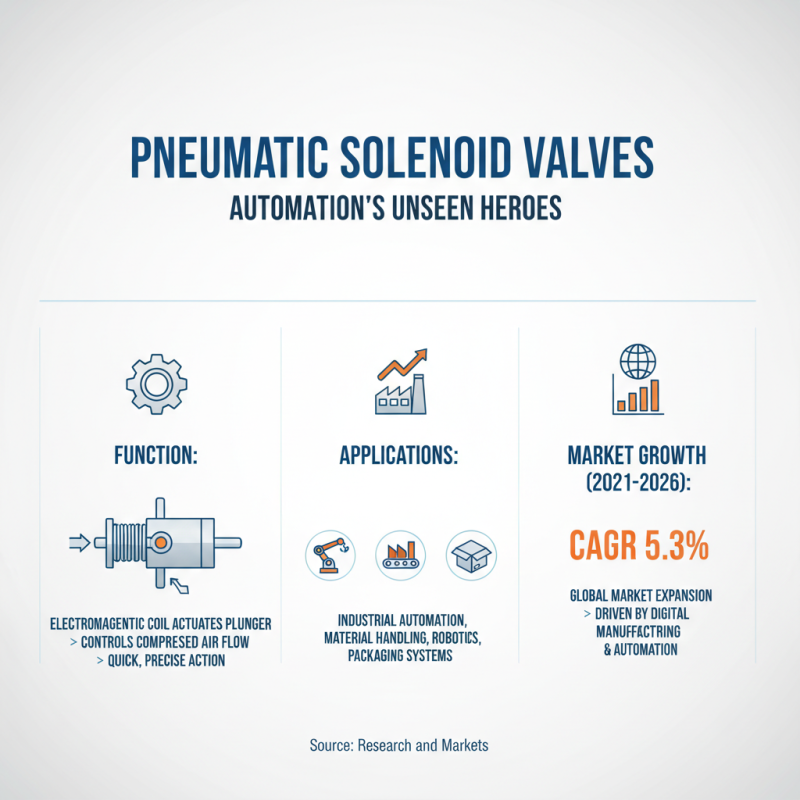
Pneumatic solenoid valves play a crucial role in many industrial settings. These valves control the flow of compressed air, serving various applications from automation to material handling. Their functionality relies on an electromagnetic coil that actuates a plunger, allowing for quick and precise actions. According to a report from Research and Markets, the global market for pneumatic valves is projected to grow at a CAGR of 5.3% between 2021 and 2026. This growth reflects the increasing reliance on automation in digital manufacturing.
Understanding their operational principles is essential. Pneumatic solenoid valves are designed for high-speed performance, often switching in mere milliseconds. This feature is vital in assembly lines where speed and efficiency determine productivity. However, one must also consider that these valves require regular maintenance. Dust and moisture can hinder their performance, leading to unexpected downtimes.
The selection of a pneumatic solenoid valve should also depend on specific requirements like pressure ratings and media compatibility. Some industries necessitate corrosion-resistant materials, which can increase costs. While they often outperform traditional valves, there might be limitations in extreme conditions. Identifying these constraints can ensure optimal efficiency and longevity in your applications.
Key Advantages of Using Pneumatic Solenoid Valves in Industry
Pneumatic solenoid valves have gained popularity in various industrial applications. They offer distinct advantages, making them a reliable choice. These valves control airflow efficiently. They respond quickly, ensuring precise control over pneumatic systems. This responsiveness can lead to enhanced productivity in industrial settings.
One key advantage is their compact design. Despite their size, they can manage significant pressure. This feature is vital for industries that require space-efficient solutions. Another benefit lies in their low maintenance requirements. Once installed, these valves generally operate reliably over time. This reliability reduces downtime in production lines.
However, it's essential to consider potential limitations. Environmental factors may affect performance. Extreme temperatures or contaminants can impair functionality. Careful selection based on specific operational conditions is crucial. By evaluating these factors, industries can better harness the benefits of pneumatic solenoid valves for optimal performance.
Common Applications of Pneumatic Solenoid Valves in Industrial Settings
Pneumatic solenoid valves are essential in various industrial applications. They control the flow of air and fluids effectively. These valves are commonly found in automation systems, assembly lines, and pneumatic machinery. According to a report by MarketsandMarkets, the global pneumatic valve market was valued at over $6 billion in 2021, with a projected growth rate of 5.8% annually. This growth highlights the increasing reliance on pneumatic systems across industries.
In manufacturing, pneumatic solenoid valves facilitate the operation of equipment like conveyor belts and robotic arms. For example, a modern automotive assembly line uses these valves to manage precise airflow in production robots. Industries like food processing and packaging also utilize pneumatic systems for their efficiency and speed. However, there are challenges. Sometimes, valves may fail due to wear and tear. Regular maintenance is critical to ensure reliability. Additionally, the choice of valve materials can affect performance in corrosive environments. Choosing the right valve is not just about cost; it’s about suitability for specific conditions.
Overall, pneumatic solenoid valves are vital in optimizing industrial processes. They enhance efficiency and enable automation. Understanding their applications can lead to significant gains. But, companies must also address maintenance and material selection to prevent downtime.
Why Choose a Pneumatic Solenoid Valve for Your Industrial Application? - Common Applications of Pneumatic Solenoid Valves in Industrial Settings
| Application Area |
Description |
Key Benefits |
| Packaging Industry |
Control of pneumatic actuators for packaging machines. |
Increases efficiency and precision in packaging processes. |
| Automotive Manufacturing |
Used in assembly lines for controlling air supply. |
Enhances speed and reliability in production. |
| Food and Beverage Processing |
Regulates flow of air in food packaging and processing. |
Meets hygiene standards and improves workflow. |
| Pharmaceuticals |
Automating processes in drug manufacturing. |
Ensures accuracy and compliance with regulations. |
| Textile Industry |
Controls pneumatic systems for weaving and manufacturing. |
Improves operational efficiency and product quality. |
Factors to Consider When Selecting a Pneumatic Solenoid Valve
Selecting the right pneumatic solenoid valve for industrial applications involves careful consideration of several key factors.
Pressure ratings are crucial. Systems typically operate between 30 to 150 psi, but some may exceed 200 psi. Choosing a valve that matches your specific pressure needs ensures optimal performance and longevity.
Response time also matters. A valve with a faster response time—from as little as a few milliseconds to over a second—can significantly impact production efficiency.
Consider the specific timing required for your application. The wrong choice may lead to delays, affecting overall productivity and operational costs.
Material compatibility must not be overlooked. Many valves are made from brass, stainless steel, or plastic. Understanding the working environment helps in selecting a valve that won't corrode or degrade.
For example, valves in a high-humidity setting may need additional protective features. Neglecting these details could cause unexpected failures and costly downtime.
Maintenance Practices for Ensuring Optimal Performance of Valves
Maintaining pneumatic solenoid valves is crucial for their reliability and efficiency. Regular inspection can reveal potential issues early. Frequent wear on seals and internal components is common. Therefore, checking for leaks should be a routine practice. Implementing a schedule for these checks can prevent costly downtime.
Cleaning the valves is essential, too. Accumulation of dirt and debris can hinder their function. Use a soft brush or cloth to wipe down the exterior. For deeper cleaning, follow the manufacturer's guidelines. However, not all cleaning methods suit every valve type, making expertise important. Remember that over-cleaning may lead to wear.
Testing valves periodically helps ensure peak performance. Pressure tests can reveal any drop in functionality. Utilize a calibrated gauge for accurate readings. Document any findings for future reference. It’s critical to be aware that even small discrepancies can lead to significant operational failures. This reflection can guide proper maintenance and enhance the valve's life.
Performance Comparison of Pneumatic Solenoid Valves
This bar chart illustrates the performance metrics of various pneumatic solenoid valves in industrial applications. The key dimensions analyzed include response time, reliability, and maintenance frequency.