Top 5 Precision Carbide Milling Insert Tips for Global Buyers?
In the competitive world of manufacturing, selecting the right tools is crucial. Precision Carbide Milling Inserts are essential for achieving optimal results in milling operations. These inserts enhance durability and performance, effectively addressing the diverse needs of global buyers.
Navigating the options available can be overwhelming. There are different grades, geometries, and coatings to consider. Each of these factors impacts machining efficiency and tool life. Understanding these elements is vital. Quality experience can often make a difference in the final product.
Buyers may experience uncertainty, especially when trying to balance cost and quality. The right Precision Carbide Milling Insert can lead to significant improvements in production. It’s important to weigh the choices carefully and reflect on past decisions to ensure better future outcomes. Ultimately, making informed choices will pave the way for successful milling results.
Key Factors to Consider When Choosing Precision Carbide Milling Inserts
When selecting precision carbide milling inserts, several key factors must be prioritized. The cutting edge geometry impacts the insert's performance significantly. Inserts with optimized shapes reduce cutting forces and enhance chip control. According to a study by the International Journal of Advanced Manufacturing Technology, proper edge geometry can improve tool life by 30%. Buyers should thus assess the geometry specific to their machining requirements.
Another crucial factor is the type of coating on the insert. Coatings like TiAlN or TiN enhance wear resistance. This, in turn, allows for higher cutting speeds and improved overall efficiency. A report from the Metal Cutting Tool Association highlighted that tools with advanced coatings can experience a 20% increase in productivity. The choice of substrate material also plays a role in the insert's durability and performance during various operations.
Buyers must not overlook the compatibility of inserts with their existing machines. Each machine has its constraints, which will affect the performance of the milling insert. Data from the Cutting Tool Engineers Association suggests that mismatched inserts can lead to premature failure and increased downtime. Consider evaluating all these factors carefully to ensure optimal performance and cost-effectiveness in machining operations.
Types of Precision Carbide Milling Inserts Available in the Market
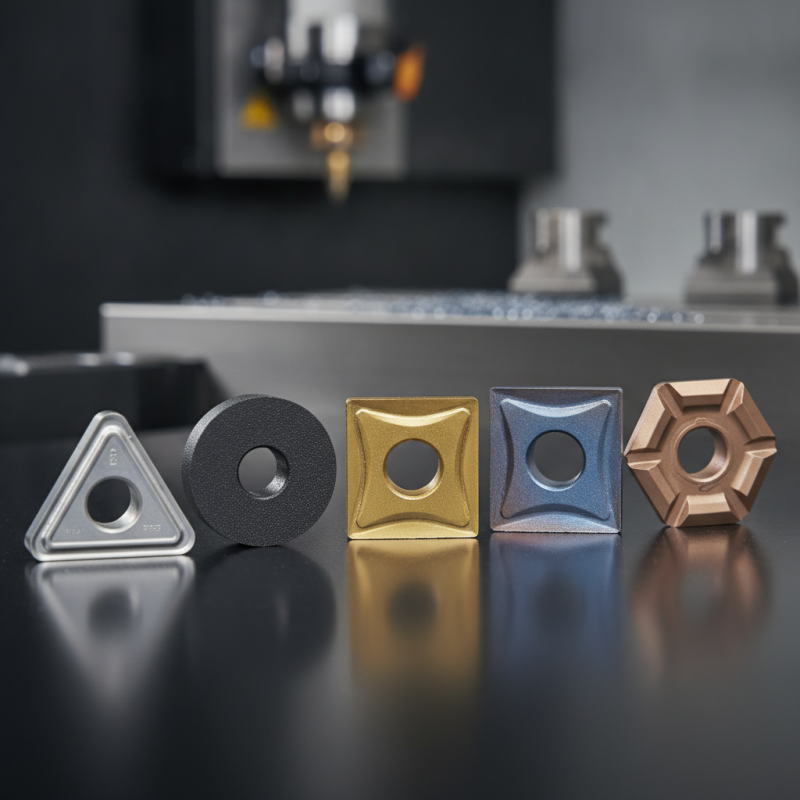
Precision carbide milling inserts are essential tools for efficient machining. Various types are available, catering to different applications and materials. The most common types include general-purpose inserts, designed for versatile use in multiple materials. These inserts typically offer a balance of durability and cutting performance.
Another type is the finishing insert. These are engineered for precision and superior surface finish. They are ideal for applications where surface quality is crucial. However, they may wear out faster than general-purpose inserts. Niche inserts, designed for specific materials, include high-speed steel or titanium alloys. These inserts are tailored for specific challenges, often requiring expertise to select the right one.
In selecting milling inserts, consider the material you are machining and the desired finish. While general-purpose inserts are versatile, they may not perform best in all situations. Each insert type has its strengths and weaknesses. Understanding these nuances will help in making informed decisions. Moreover, feedback from machinists can provide valuable insights into the performance of different inserts.
Performance Metrics: How to Evaluate Milling Insert Quality and Efficiency
Evaluating milling insert quality requires a few essential performance metrics. Hardness is vital. According to a report by the International Journal of Advanced Manufacturing Technology, harder inserts perform better in challenging materials. Hence, look for a hardness rating around HRC 45 or higher for optimal results.
Tip: Consider the geometry of the insert. The shape influences chip flow and tool life. Inserts with a positive rake angle often yield smoother finishes and lower cutting forces. These aspects are crucial for efficiency.
Surface treatment is another critical element. Coatings enhance durability and reduce wear. The World Academy of Science, Engineering and Technology emphasizes that coated inserts can last up to three times longer than uncoated ones, benefiting the overall production rate.
Tip: Evaluate the insert's thermal stability. The ability to withstand high temperatures ensures consistent performance. In machining operations, a stable working temperature helps maintain tool sharpness and accuracy. Balancing these metrics can lead to better decision-making when selecting milling inserts.
Cost Analysis: Balancing Price and Quality for Global Purchases
When considering carbide milling inserts for global purchases, it's essential to evaluate both price and quality. Many buyers prioritize cost, often opting for cheaper options. This approach can lead to compromised performance. Low-priced inserts may wear out quickly, increasing downtime. The initial savings can disappear with frequent replacements.
Quality should never be overlooked. High-quality inserts provide better precision and durability. They often result in smoother operations and improved end-product quality. However, quality comes at a cost. Striking a balance between affordability and reliability requires careful analysis. Some buyers may focus too heavily on upfront costs, neglecting long-term implications.
Additionally, not all suppliers are equal. Assessing a supplier's reputation is crucial. Checking reviews can shed light on quality and service. Engage with industry peers to gather insights. This collective knowledge aids in making informed decisions. In the end, a strategic approach to cost analysis might reveal that investing in quality pays off over time.
Supplier Selection: Finding Reliable Manufacturers for Milling Inserts
Finding reliable manufacturers for milling inserts is critical for global buyers. Quality assurance in cutting tools is paramount. According to a report by MarketsandMarkets, the carbide tool market is projected to reach $30 billion by 2026. This indicates a growth in demand for high-performance tools. Buyers must prioritize suppliers with a proven history of quality and innovation.
The selection process should include evaluating supplier certifications. ISO and ASTM standards are benchmarks for manufacturers. They ensure production consistency and material quality. Buyers should also consider suppliers’ production capabilities. Those with advanced machining processes usually offer better precision and durability in their inserts.
It's essential to review supplier feedback and industry reports. Many manufacturers publish case studies or performance data to back their claims. Yet, not all information may be accurate. Some companies may exaggerate their capabilities or market share. Conducting thorough research and asking for references can help mitigate risks. Additionally, understanding regional differences in manufacturing practices is vital. It affects overall supply chain efficiency. Buyers should remain vigilant and continuously assess their supplier relationships to ensure optimal performance.