Top 5 Tips for Choosing an Ultrafiltration Water System at Canton Fair?
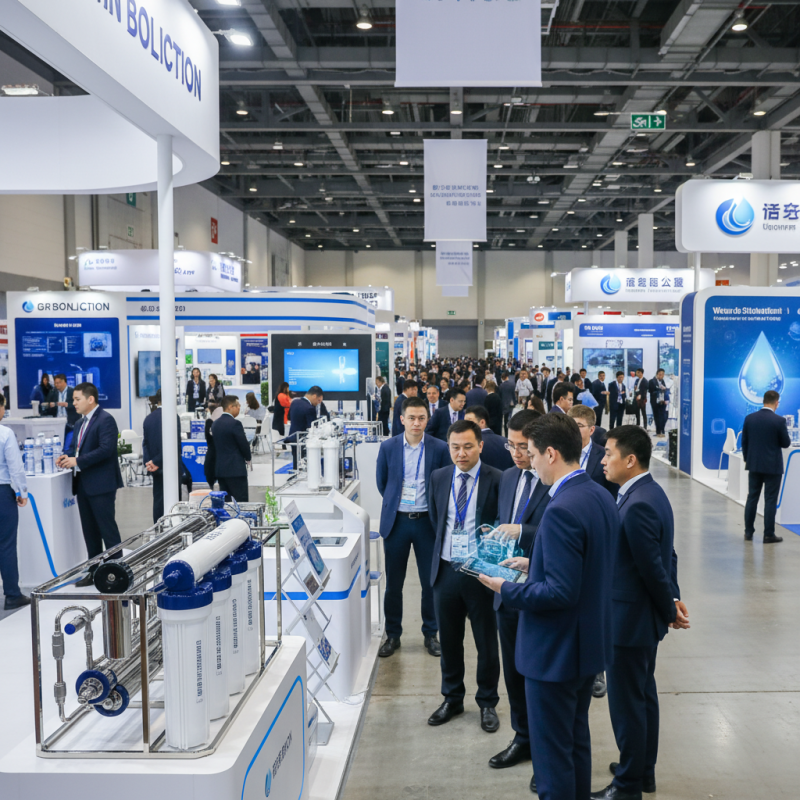
Attending the Canton Fair presents a unique opportunity to explore the latest advancements in water purification technologies, particularly the Ultrafiltration Water System. With over 155,000 square meters of exhibition space, making choices can be overwhelming. First-hand encounters with suppliers can clarify options that meet your specific needs.
During the fair, several suppliers showcase their ultrafiltration systems, emphasizing their effectiveness in removing contaminants. A keen eye for certifications like ISO and CE is crucial. Not all systems are created equal, and some may disappoint in performance or reliability.
Navigating through the fair's extensive halls, taking advantage of AI-driven tools becomes essential. These tools help buyers identify suitable vendors much quicker. In the end, your decision on an Ultrafiltration Water System impacts not just quality but also health. Setting clear criteria ahead of time will guide your search and ensure your choice is effective.
Understanding Ultrafiltration: Key Technologies and Processes Involved
When selecting an ultrafiltration water system, understanding the core technologies is crucial. Ultrafiltration (UF) employs membranes to separate particles and pathogens from water. These membranes have microscopic holes, filtering out contaminants while allowing clean water to pass through. This process is efficient for removing bacteria and viruses, ensuring safe drinking water.
Choosing the right UF system involves some essential considerations. Check the membrane material and pore size. Materials like polyethersulfone offer durability. The pore size affects the filtration quality. Smaller holes capture more impurities but may increase maintenance needs. Look for user-friendly designs. Complex systems can lead to confusion and improper setup.
Another vital factor is the flow rate. Ensure the system meets your household's water demands. Ask questions at the Canton Fair. Engage with manufacturers, and don't hesitate to seek clarification about processes. It’s easy to feel overwhelmed, but understanding these basics can streamline your decision. Remember to reflect on your actual needs before making a purchase, as impulse buys can lead to regret later on.
Evaluating the Efficiency: Membrane Types and Their Impact on Purity
When exploring ultrafiltration systems, membrane types play a vital role. Different membranes filter water at varying levels of efficiency. Some membranes can remove larger particles, while others can tackle finer contaminants. Understanding these differences helps buyers make informed decisions.
Meanwhile, the purity of water directly depends on the membrane’s configuration. Flat sheet membranes are commonly used, but hollow fiber membranes are gaining popularity. The latter often offers better surface area and flow rates. However, they can be more sensitive to fouling. Buyers should consider the maintenance needed for each type.
While efficiency is key, it's crucial to assess the overall system design. A well-balanced ultrafiltration setup enhances performance. Some systems might initially appear efficient but fall short in real-world scenarios. Waters that contain high levels of particulates may cause issues. Evaluating the membrane and its limitations ensures a wise investment. Ultimately, thorough research is essential for a satisfying purchase.
Assessing Capacity Needs: Flow Rates and System Sizing Considerations
When selecting an ultrafiltration water system, assessing capacity needs is crucial. Begin by examining your flow rate requirements. Flow rate reflects how much water the system can filter in a given timeframe. Too little capacity will leave you wanting. Too much can lead to wasted resources. It’s vital to strike a balance based on your daily water usage.
Next, consider system sizing. This doesn’t solely depend on flow rate. Think about installation space. Larger systems require more room, and maintenance access must be factored in. Check if your site can accommodate the desired model. It's important to ensure the unit fits well in your operational environment. A poorly sized system can lead to operational inefficiencies and higher costs.
Don’t forget to calculate peak demand times. Certain activities might require more water at specific times. Systems should be capable of handling these fluctuations. Adjusting for these peaks can prevent overload. Reflect on past usage patterns, but remember that future needs may change. Balancing these factors takes careful thought and evaluation.
Top 5 Tips for Choosing an Ultrafiltration Water System at Canton Fair | Tip | Description | Flow Rate (L/h) | Recommended System Size (m²) | Ideal Applications |
| 1. Assess Your Water Needs | Determine the volume of water required for your application. | 100-500 | 1-2 | Small households, coffee shops |
| 2. Consider Water Quality | Analyze the contaminants in your water source. | 200-600 | 2-4 | Restaurants, manufacturing |
| 3. Assess System Compatibility | Check how the system integrates with existing infrastructure. | 300-800 | 3-5 | Industrial setups, laboratories |
| 4. Evaluate Maintenance Requirements | Understand the maintenance needs and associated costs. | 500-1000 | 4-7 | Large facilities, farms |
| 5. Analyze Cost-Effectiveness | Weigh upfront costs against long-term savings. | 800-1500 | 5-10 | Municipal water treatment, aquaculture |
Cost Analysis: Budgeting for Purchase, Maintenance, and Operation Expenses
When selecting an ultrafiltration water system, cost analysis plays a crucial role. Initially, consider the purchase price. Systems vary widely, influenced by their capacity and features. However, a lower initial cost might lead to higher maintenance expenses. It's essential to strike a balance between up-front spending and long-term savings.
Maintenance shouldn't be overlooked. Regular filter replacements can add to your budget. Investigate how frequently the system needs servicing. Some systems promise low maintenance but fail to deliver. This can lead to unexpected costs. Be sure to account for energy consumption as well. Systems that use more power can inflate your operational costs over time.
Lastly, always think about hidden expenses. Installation might seem straightforward, yet fees can pile up if complications arise. Don’t forget to ask about warranties; the absence of one can lead to hefty repair bills later. Even if you find an attractive deal, remain cautious and reflect on potential pitfalls. A little foresight can save a lot in the long run.
Compliance and Standards: Ensuring Regulatory Adherence in Water Systems
When selecting an ultrafiltration water system, compliance and standards play a crucial role. Many manufacturers claim their products meet specific regulations, but verifying this can be challenging. Check for certifications from recognized organizations. These labels often ensure the system has passed rigorous testing.
Understanding local regulations is equally important. Different regions may require different standards. What is acceptable in one country may not be in another. Always ask suppliers about compliance specifics. This not only builds confidence but also minimizes future risks. You do not want to invest in a system that could potentially face legal issues later.
Take time to research. Some systems may claim high performance, but these claims can be misleading. Conduct your own tests or seek user experiences. Reliability often shines through in firsthand accounts. Standards may evolve, so stay informed about any changes in regulations. Your diligence will pay off in securing a compliant system.