
How to Choose a Direct Acting Solenoid Valve?

Selecting a Direct Acting Solenoid Valve is not simply a matter of matching pipe size. The decision affects response time, energy use, maintenance, and process safety. Fortune Business Insights’ Solenoid Valve Market report identifies expanding automation and fluid-control applications as major growth drivers through 2032. Grand View Research also reports continued demand for compact valves in industrial equipment, water systems, and process automation. These trends create more choices, but they also increase selection risks.

A direct-acting design moves its plunger directly through electromagnetic force. It can operate without minimum pressure, which helps in low-pressure lines, dosing equipment, and small pneumatic circuits. However, pressure, orifice size, media viscosity, temperature, and coil duty must be checked together. A valve handling clean air may fail quickly with dirty water or aggressive chemicals. That detail matters.

Start with the actual medium and operating range. Then compare normally closed or normally open operation, connection size, flow coefficient, voltage, and response time. Check whether the coil supports continuous duty and whether the enclosure meets the required IP rating under IEC 60529. Manufacturer test data should support pressure, leakage, electrical endurance, and material compatibility claims. Independent certification can strengthen confidence, especially in controlled industrial environments.

Real installations are rarely perfect. Wiring may run near heat, pipes may vibrate, and maintenance access may be limited. That assumption deserves challenge. Choosing only by price can create hidden costs through coil burnout, leakage, or repeated replacement. A careful review of application conditions, supplier documentation, and field experience makes the final Direct Acting Solenoid Valve selection more dependable.
How to Choose a Direct Acting Solenoid Valve?

Understand How Direct-Acting Solenoid Valves Operate

How to Choose a Direct Acting Solenoid Valve?

Understand How Direct-Acting Solenoid Valves Operate

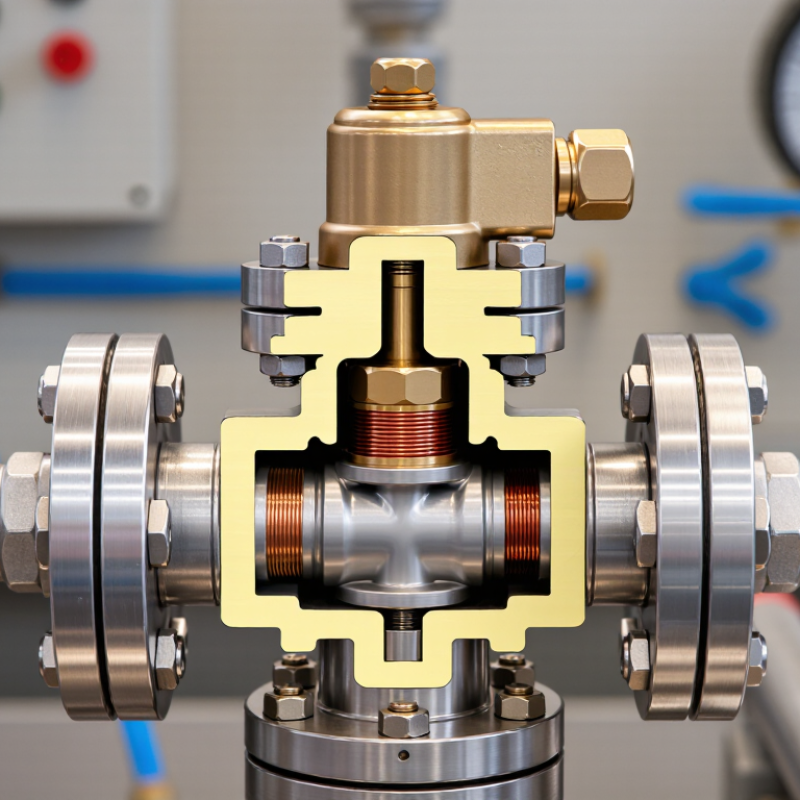
A direct-acting solenoid valve opens or closes through the coil’s magnetic force. When energized, the coil lifts or pushes a plunger against the valve seat. This movement controls the fluid path directly. No pilot pressure is required. When power stops, a spring usually returns the plunger to its original position. This design responds quickly, even when system pressure is very low or absent. However, the orifice is often smaller than that of assisted designs. Flow capacity can therefore be limited.

In field applications, I check the medium, pressure, temperature, voltage, connection size, and required flow rate. The valve must also match the system’s normal state. A normally closed valve stays shut without power, while a normally open valve stays open. A common mistake is choosing by pipe size alone. I have seen oversized valves cause unnecessary cost and poor control. The coil may also overheat if voltage or duty cycle is incorrect. Small details matter.

Define the Fluid, Pressure, Temperature, and Flow Requirements

How to Choose a Direct Acting Solenoid Valve?

Define the fluid before comparing valve sizes. Record its name, concentration, cleanliness, and viscosity at operating temperature. Water, oil, and compressed air behave differently inside a small orifice. Check wetted materials against the fluid, and note whether particles could clog the seat. A clear fluid sample is useful, but it does not replace checking the full operating range.

Write down minimum and maximum inlet pressure, outlet pressure, and temperature. Direct acting valves can operate without a minimum pressure differential, but each model still has pressure and temperature limits. Confirm the coil’s rated temperature and allow for heat from nearby equipment. Flow demand should include the peak rate, not just the daily average. Use the valve’s flow coefficient and actual pressure conditions; pipe size alone is a poor sizing shortcut.

For compressed-air systems, the U.S. Department of Energy’s Improving Compressed Air System Performance: A Sourcebook for Industry estimates that leaks can waste 20–30% of compressor output. That figure describes system losses, not valve capacity, but it is a useful warning: measured demand may include leaks. Check the line under real operating conditions. A neat spreadsheet can still hide an awkward pressure drop, and I would recheck the assumptions before selecting an orifice.

How to Choose a Direct-Acting Solenoid Valve

Define the fluid, pressure, temperature, and flow requirements. The chart estimates water flow through different orifice sizes at several pressure drops. It illustrates how flow demand and available pressure affect sizing.

Illustrative estimates for water at 20°C, calculated using an ideal orifice model with a discharge coefficient of 0.62 and water density of 998 kg/m³. Actual valve flow depends on the valve’s rated flow coefficient and installation. Confirm fluid compatibility, operating temperature limits, maximum pressure, and required flow with the valve specifications. Direct-acting valves can generally operate without a minimum pressure differential, but the permitted pressure range is model-specific.

Match Valve Materials, Seals, Port Size, and Connection Type

For a direct-acting solenoid valve, match wetted materials to the actual fluid, temperature, and cleaning chemicals. Brass may suit many general-purpose services; stainless steel is often chosen for corrosive or hygienic environments. Check the manufacturer’s compatibility data rather than relying on material names alone.

Seal choice matters just as much: EPDM commonly serves water applications, while FKM can suit many oils and fuels, but neither is universal. Verify temperature limits and chemical exposure for the exact formulation.

Small details matter.

Size ports by required flow and allowable pressure drop, not by pipe diameter alone. Compare the valve’s flow coefficient with the system’s operating pressure and fluid properties.

For connections, confirm thread form, sealing method, and port standard before ordering; similar-looking threads may not seal correctly.

The U.S. Department of Energy’s Improving Compressed Air System Performance guide reports that leaks can waste 20–30% of compressed air in poorly maintained systems.

That figure concerns whole-system losses, not valve choice alone, but it highlights why sound connections and leak checks matter. A specification can still miss a detail; recheck the medium, seal, flow, and fitting together before installation.

Check Voltage, Power, Response Time, and Operating Conditions

How to Choose a Direct Acting Solenoid Valve?

Check the coil voltage against the supply available at the valve, not just the nominal control-panel rating. Long cable runs can cause voltage drop, while switching surges may affect coil life. Confirm whether the coil is designed for AC or DC, and check its power draw and duty rating. A valve energized for hours needs a coil rated for continuous operation. Heat matters.

Tips: Measure voltage at the coil under load. Compare the valve’s rated pressure, fluid temperature, and seal materials with your actual system conditions.

Response time is listed in product data, but it can change with pressure, fluid viscosity, and temperature. Match the valve’s port size and flow capacity to the required rate; a small valve may slow filling, while an oversized one can waste space and money. Direct-acting designs can often operate without a minimum pressure differential, but confirm this in the manufacturer’s specifications. Check the fluid’s cleanliness too: fine particles can interfere with the plunger and seat. I have seen selection sheets that looked perfect until the installation ran hot, so leave room for operating variation and verify performance in the real setup.

Compare Safety Features, Service Needs, and Total Cost

When choosing a direct acting solenoid valve, compare safety features against the actual fluid, pressure, and operating environment. Check the specified fail position; not every valve closes when power is lost. A manual override can help during testing, but it should not create a hazard if activated accidentally. Confirm coil voltage, temperature limits, and enclosure protection match the installation. Small details matter.

Service needs can shape the decision as much as the purchase price. Ask how easily the coil, seals, and internal parts can be inspected or replaced. If the fluid carries particles, a suitable filter may reduce sticking and premature wear. Yet filters need cleaning, too. A valve that looks simple on a drawing may require awkward access once pipes and wiring are installed. Leave room for removal.

Compare total cost over the expected service life, not just the initial quote. Include energy use, replacement parts, labor, and the cost of downtime. A lower-wattage coil may reduce ongoing consumption, while a more serviceable design may shorten repairs. The cheapest option is not always the least expensive. Still, projected savings depend on real duty cycles, which are easy to estimate poorly. Use operating records where available, and verify assumptions with a qualified engineer before final selection.

How to Choose a Direct Acting Solenoid Valve? — Compare Safety Features, Service Needs, and Total Cost

Selection criterion General-purpose brass valve Stainless-steel valve Engineering-polymer valve
Typical application Common choice for compatible water, air, and other non-corrosive services. Often considered for corrosive environments, washdown areas, or applications with stricter cleanliness needs, subject to material compatibility. Can suit selected low-pressure or lightweight applications where the body polymer is compatible with the fluid and operating conditions.
Fluid compatibility Confirm compatibility of the brass body, seals, and internal parts with the specific fluid; some fluids can cause corrosion or material damage. “Stainless steel” is not a single compatibility guarantee. Check the exact alloy, seal material, fluid concentration, and temperature. Check the exact polymer grade and seals. Chemical resistance can vary substantially between polymers and fluids.
Pressure and differential pressure A direct-acting design does not rely on line pressure to move its main sealing element, and some designs can operate at zero differential pressure. Confirm the valve’s specified minimum and maximum pressure, allowable differential pressure, and flow capacity; these vary by model and port size.
Temperature limits Check both fluid and ambient temperature limits. Seal and coil limits may be lower than the body material’s limits. Body material alone does not determine the temperature range; seals, coil insulation, and construction also set limits. Verify the polymer’s temperature rating under the actual pressure and chemical exposure; temperature can affect strength and service life.
Fail position and safety Choose normally closed or normally open according to the required state when power is removed. Confirm the consequences of loss of power, leakage, and valve failure in the system risk assessment. A solenoid valve is not automatically a certified safety shut-off device.
Electrical and environmental protection Match coil voltage and AC/DC supply to the control system. Select an enclosure and connector protection rating suitable for moisture, dust, and washdown exposure; verify the rating for the complete installed assembly.
Service needs Plan for inspection of seals, strainers, and debris that could prevent reliable seating. Use fluid filtration where the valve specification requires it. Maintenance still depends on fluid cleanliness, seal wear, and operating cycles. A corrosion-resistant body does not eliminate inspection or seal replacement. Inspect for chemical attack, cracking, deformation, and seal wear. Confirm that the valve is suitable for the actual pressure and temperature duty.
Relative initial cost Often a lower-cost option for compatible general-purpose service; actual pricing depends on size, materials, and features. Often higher than a comparable brass configuration, especially when a specific alloy or enhanced construction is required. May be economical in suitable applications, but availability and cost depend on pressure rating, polymer grade, and design.
Total cost of ownership Can be economical when compatibility is confirmed and routine maintenance is accessible. Include replacement seals, downtime, and the cost of failure. May justify a higher purchase price where its verified corrosion resistance reduces replacement or downtime risk. Potentially cost-effective for compatible duties; account for its application limits and the cost of premature replacement if conditions are unsuitable.
What to verify before purchase Confirm port size, flow requirement, valve function, normally open/closed state, fluid and seal compatibility, pressure range, temperature range, cycle duty, coil voltage, enclosure rating, approvals, spare-part availability, and service instructions against the exact product datasheet.

Cost guide: Relative cost descriptions are general, not quotations. Actual purchase and lifecycle costs depend on valve size, exact materials, operating conditions, maintenance access, energy use, and downtime. Always verify application limits with the specific valve datasheet.