Top 5 Tips for Choosing the Right Butterfly Valve Actuator?
Choosing the right butterfly valve actuator is crucial for optimal performance in various industries. James Reynolds, a leading expert in fluid control systems, states, “The actuator is the heart of the butterfly valve; choosing the wrong one can lead to inefficiency.” This insight underlines the importance of careful selection.
Various factors influence the decision-making process. Understanding actuator types, torque requirements, and environmental conditions can greatly affect the functionality of your system. Balancing these elements requires experience and reliable data. Choosing a butterfly valve actuator that aligns well with system demands is not just about specifications; it also involves intuition and foresight.
Many users face challenges in making informed choices. Misalignment between actuator specifications and operational needs often leads to failures. A flawed selection can result in costly downtime. Therefore, investing time in research and consulting professionals can help avoid such pitfalls. The right butterfly valve actuator can enhance efficiency and prolong system life, but the decision must be made thoughtfully.
Understanding Butterfly Valve Actuators: Types and Applications
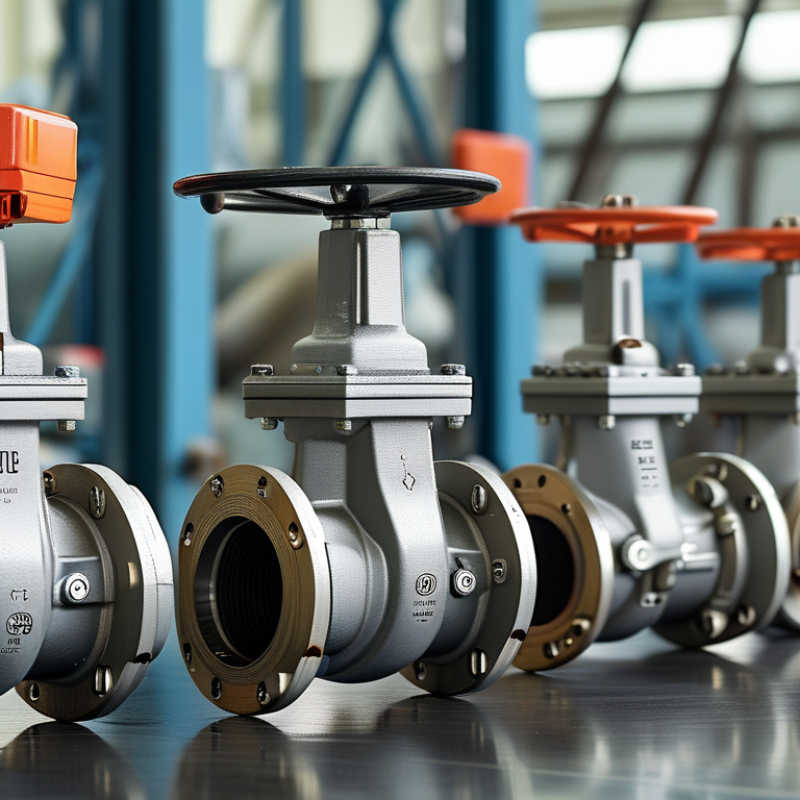
Understanding butterfly valve actuators is crucial for various applications. These actuators come in several types, each suited to specific tasks. Electric actuators offer precise control for automated systems, while pneumatic ones are favored for their speed. Hydraulics are ideal for heavy-duty operations. Choosing the right type is essential.
In industries like water treatment and HVAC, butterfly valves play a significant role. The actuator type impacts performance and energy efficiency. It's important to consider the environment and required response time. Some can be over-engineered, leading to inefficiencies. Take time to assess your needs, considering factors like operating pressure and temperature.
However, not all solutions are straightforward. For example, mechanical wear can cause issues in high-cycle environments. It is vital to think about maintenance and potential failures. Choosing an actuator should align with both current and future demands. This reflective approach can lead to more sustainable and effective decision-making in valve automation.
Evaluating Torque Requirements for Optimal Butterfly Valve Performance
When selecting a butterfly valve actuator, understanding torque requirements is crucial. Torque is the force that the actuator must exert to open or close the valve effectively. Too little torque can lead to insufficient valve operation, causing leaks. Conversely, excessive torque might damage the actuator or the valve itself. Evaluating the torque ensures that the system operates efficiently without unnecessary wear.
Several factors influence the required torque. The size of the valve, the pressure of the fluid, and the medium's viscosity play significant roles. It’s essential to gather specific data on these factors for an accurate torque assessment. Sometimes, users underestimate the torque needed. This miscalculation can lead to operational failures. Properly defining the application conditions helps avoid these pitfalls.
Testing the actuator under real conditions is also beneficial. Laboratory tests can give a good estimate, but real-world scenarios might show different results. Always be prepared to adjust your choices based on actual performance feedback. This iterative approach can enhance the overall reliability and efficiency of the system.
Top 5 Tips for Choosing the Right Butterfly Valve Actuator
| Tip |
Description |
Torque Requirement (Nm) |
Application Type |
| 1. Assess System Requirements |
Evaluate the flow dynamics and pressure of the system. |
50 |
Water Treatment |
| 2. Determine Required Torque |
Calculate based on valve size and media type. |
75 |
Chemical Processing |
| 3. Consider Environment |
Analyze temperature and humidity factors. |
100 |
Oil & Gas |
| 4. Select Actuator Type |
Choose between electric, pneumatic, or hydraulic options. |
150 |
HVAC Systems |
| 5. Review Safety Features |
Ensure the actuator has proper fail-safe mechanisms. |
200 |
Industrial Automation |
Assessing Actuator Control Methods: Electric vs. Pneumatic vs. Hydraulic
When choosing a butterfly valve actuator, understanding the control methods is crucial. Electric actuators are popular for their precision. They allow for easy control and automation. Many industries favor them for their efficiency. However, they may face issues in extreme conditions. Overheating is a common concern. In these scenarios, a pneumatic actuator may be a better choice.
Pneumatic actuators use compressed air, making them robust and fast. They respond quickly, which is vital in certain applications. Yet, they require a reliable air supply. If the air supply fails, operations can come to a halt. Hydraulic actuators offer tremendous force, making them ideal for heavy-duty applications. However, their complexity can lead to maintenance challenges. Leaks in hydraulic systems can be problematic.
Choosing the right actuator requires careful consideration of your specific needs. It is not just about what looks good on paper. Real-world conditions and potential failures must be anticipated. Balancing efficiency with reliability is key. Each method has its advantages and drawbacks. Understanding these will help ensure that the chosen actuator meets your operational goals effectively.
Determining Environmental Conditions Impacting Actuator Selection
When selecting a butterfly valve actuator, understanding environmental conditions is crucial. Factors such as temperature, humidity, and exposure to harsh chemicals can significantly influence actuator performance. For instance, actuators operating in extreme temperatures may require specific materials to avoid degradation. A report by the American Society of Mechanical Engineers indicates that improper material selection can decrease actuator lifespan by over 30%.
Humidity levels also pose a challenge. High humidity can lead to corrosion, especially in metal components. Selecting actuators with protective coatings can mitigate this risk. According to a study published in the Journal of Process Control, actuators exposed to moist environments without adequate protection faced a 25% failure rate within two years. The rise in cost from unplanned maintenance can be substantial, making careful consideration necessary.
Additionally, the potential for chemical exposure cannot be overlooked. Actuators in the chemical processing industry often encounter abrasive or corrosive substances. Using a material resistant to specific chemicals can prolong actuator life. Research has shown that choosing the right actuator based on chemical compatibility can improve reliability by more than 15%. Neglecting this aspect may lead to unexpected breakdowns and costly repairs, highlighting the importance of a thoughtful approach.
Top 5 Tips for Choosing the Right Butterfly Valve Actuator
This chart displays the impact of various environmental conditions on actuator selection for butterfly valves. The data illustrates how different factors affect the performance of actuators.
Analyzing Compatibility with Valve Size and Pressure Ratings
When selecting a butterfly valve actuator, one of the most critical aspects is ensuring compatibility with the valve size and pressure ratings. Industry reports indicate that up to 70% of actuator failures stem from mismatched specifications. Choosing an actuator designed for the right valve size maximizes performance and safety in various applications. For instance, a 12-inch valve requires an actuator that can provide sufficient torque without overloading. Often, engineers overlook the torque requirements specified in the valve's data sheet. This oversight can lead to malfunctions, resulting in costly downtimes.
Pressure ratings also play a pivotal role in the decision-making process. According to the American National Standards Institute, using an actuator rated for a lower pressure than the system requires compromises system integrity. High-pressure applications generally demand heavy-duty actuators. Many professionals underestimate this factor, leading to inadequate actuator selection and potential failure in critical conditions. Therefore, consistently checking compatibility with both valve size and pressure ratings is essential for optimizing system reliability.
Compatibility should be regularly evaluated against system updates or changes. The ideal actuator may shift as conditions alter. This constant need for assessment can be time-consuming, but it ensures ongoing efficiency and safety. It is not only about picking the first available actuator; rather, it's about finding the most suitable one for specific needs. Taking the time to analyze these elements can significantly enhance performance and reliability in operations.